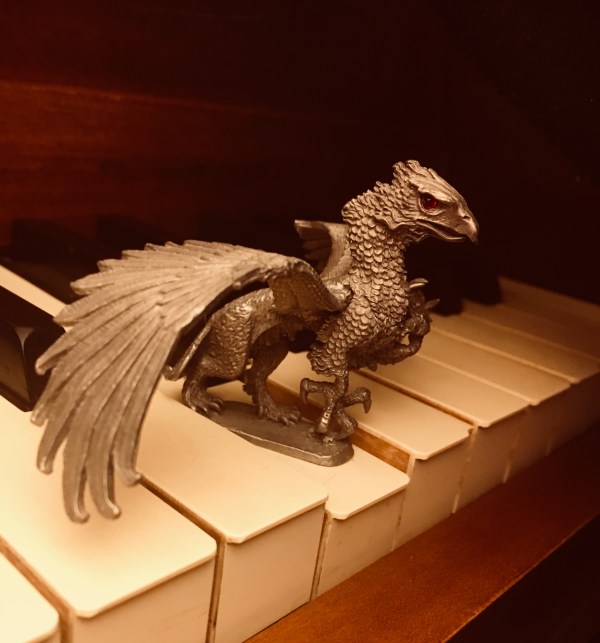
Claude Debussy (1862-1918) invented the Impressionist style of Western art music. For this accomplishment, he is usually considered to be France's greatest composer. Listening to his music is like hearing the auditory component of a unicorn's dream about clouds. Debussy's approach to composition was beset by vague suggestion and a tendency to wander without destination.
The Delicate Wizardry of Chopin
This blog post covers Polish piano virtuoso, Fryderyk Chopin (1810-1849). Chopin had a distinct piano style that was nothing like the pounding triumph and brilliant glory of Beethoven and nothing like the macho bravado and miraculous virtuosity of Franz Liszt. Instead, Chopin’s piano style possessed a different sort of virtuosity, one marked by a delicate and soft touch.
The Looming Shadow of Beethoven
This bog post covers the legacy of Ludwig van Beethoven. More specifically, it covers the coping mechanisms employed by Robert Schumann, Franz Schubert, and Hector Berlioz to deal with that legacy. These early Romantic composers dealt with the burden of Beethoven variously by imitating his epic scale or by rejecting his adherence to form.
The Frayed Ends of Schumann
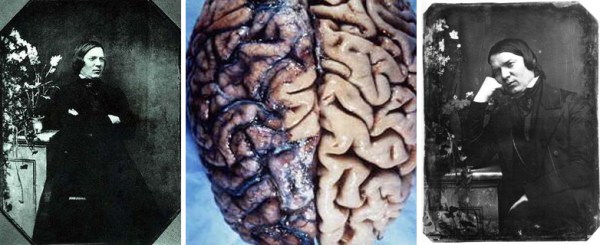
This blog post is about the nineteenth-century Romantic composer/pianist named Robert Schumann (1810-1856). It focuses on Schumann's struggle with neurosyphilis and how this infirmary deformed his final musical compositions. One of these final compositions, an unusual piece known as Theme and Variation in E-flat Major, "Ghost Variations," is explored in this context.
The Restless Pen of Franz Schubert
This blog post covers early nineteenth-century composer, Franz Schubert. It summarizes his importance to music history and describes how his ideas about music were simultaneously conservative and progressive. Two of his pieces are examined in detail, Symphony No. 8 in D Minor and Die Erlkonig.
Classical Music Detonates
This blog post covers two sublime exemplars of Classical music: Franz Joseph Haydn and Wolfgang Amadeus Mozart. Also covered is the Sonata form, which was the compositional architecture-of-choice for these two composers. Haydn’s Symphony No. 103 and Mozart’s Symphony No. 40 are featured with commentary, and some biographical information for both Haydn and Mozart is explored for context.
The Calm before the Classical
This blog post covers the early stages of Classical music from 1730-1760. It focuses on the genres, forms, and artistic sensibilities that separated this period from the previous one, the Baroque Period. Two important figures from this time are covered: C.P.E. Bach and Johann Christian Bach.
Johann Sebastian Bach: The Apotheosis of Music
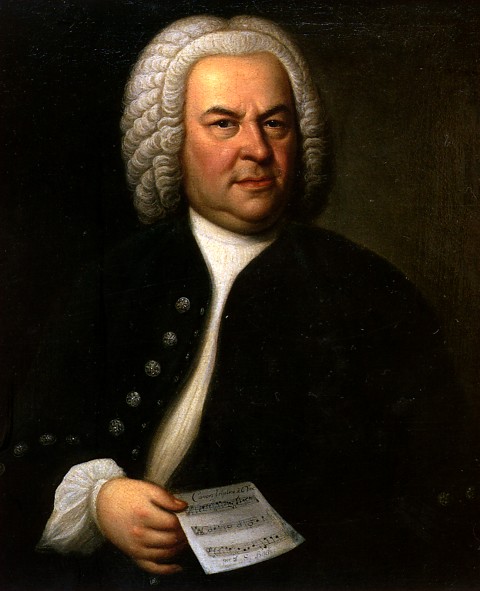
This blog post provides a summary of German organist and composer, Johann Sebastian Bach. It examines The Well-Tempered Clavier, one of his large-scale musical works, in some detail. This piece is one of the most important keyboard works ever written, this post explains why.
Handel, Vivaldi, and the Baroque Period
This blog post is about the Baroque period in Western art music. It describes the essential attributes of this music, explores the birth of opera, explains the technique called figured bass, and introduces two influential composers: Handel and Vivaldi.
Reforming the Sacred: Martin Luther, William Byrd, and the Musical Trends of the Sixteenth Century
This blog post is about the sixteenth-century religious movement known as the Reformation. It covers the effects the Reformation had upon music as well as two of the movement's most significant figures: Martin Luther and William Byrd.