This blog post covers two sublime exemplars of Classical music: Franz Joseph Haydn and Wolfgang Amadeus Mozart. Also covered is the Sonata form, which was the compositional architecture-of-choice for these two composers. Haydn’s Symphony No. 103 and Mozart’s Symphony No. 40 are featured with commentary, and some biographical information for both Haydn and Mozart is explored for context.
The Calm before the Classical
This blog post covers the early stages of Classical music from 1730-1760. It focuses on the genres, forms, and artistic sensibilities that separated this period from the previous one, the Baroque Period. Two important figures from this time are covered: C.P.E. Bach and Johann Christian Bach.
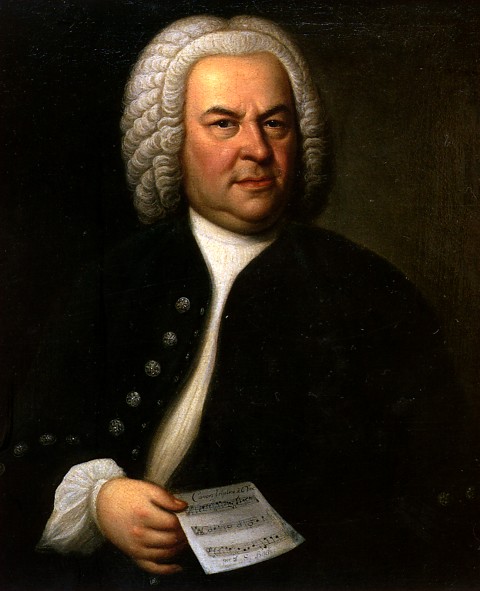
Johann Sebastian Bach: The Apotheosis of Music
This blog post provides a summary of German organist and composer, Johann Sebastian Bach. It examines The Well-Tempered Clavier, one of his large-scale musical works, in some detail. This piece is one of the most important keyboard works ever written, this post explains why.
Handel, Vivaldi, and the Baroque Period
This blog post is about the Baroque period in Western art music. It describes the essential attributes of this music, explores the birth of opera, explains the technique called figured bass, and introduces two influential composers: Handel and Vivaldi.
Reforming the Sacred: Martin Luther, William Byrd, and the Musical Trends of the Sixteenth Century
This blog post is about the sixteenth-century religious movement known as the Reformation. It covers the effects the Reformation had upon music as well as two of the movement's most significant figures: Martin Luther and William Byrd.
Musical Renovation of the Renaissance
This blog post is about the music of the Renaissance. It covers the intellectual trends and musical fashions that mark the period. The techniques of Renaissance vocal and instrumental music are summarized and explained, and a brief biography of French composer, Guillaume Dufay (c.1397–1474), is provided.
Motets, Measures, and the New Art
This blog post analyzes the motet, which was a style of polyphonic vocal music that evolved during the European Middle Ages. The motet featured simultaneous, overlapping vocal lines of varying text. They were compositionally dense and musically sophisticated. Progenitors of the motet like Philippe de Vitry, Franco of Cologne, and Guillaume de Mauchaut, are covered.
Picture credit: Desmond, Karen. "Ars Musicae." Ars Musicae.and
The Emergence of Polyphony
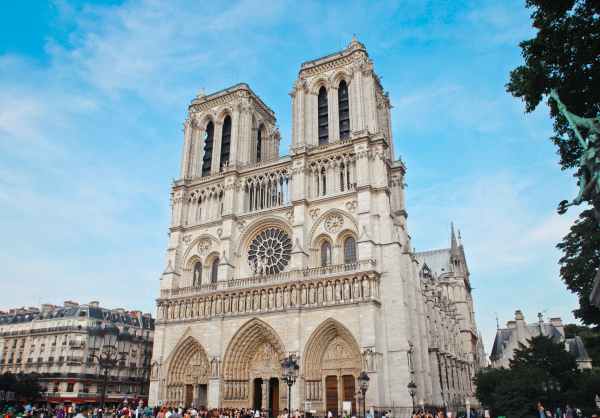
This blog post covers the rise of polyphonic chant during the Middle Ages. It focuses on the tradition's development in southern France and its coming of age in northern France. Two famous composers, Leonin and Perotin, who were liturgical musicians operating at the Notre Dame Cathedral School during the twelfth and thirteenth centuries, are also covered.
Music beyond the Church
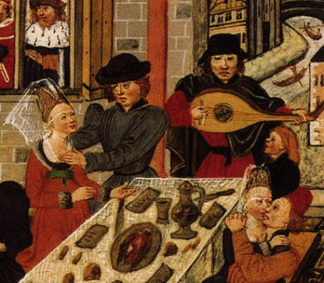
This blog post is about secular music of the European Middle Ages. It describes the troubadour tradition of reciting epic poetry and singing devotional love songs. It also analyzes how this tradition spread throughout Europe from its epicenter in Aquitaine. Famous figures such as William IX, Bernard de Ventadorn, and Adam de la Halle are covered.
Hallucinating Melismas with Hildegard of Bingen
This blog post covers the famous medieval composer and religious mystic known as Hildegard of Bingen (1098–1179). Her strange musical creativity is explored as is the likely source of that creativity—migrainous hallucinations. Her most important work, Scivias, which is the source of her chant called Ordo virtutum, is analyzed and explained.